Detecting Stress Fractures in the Feet

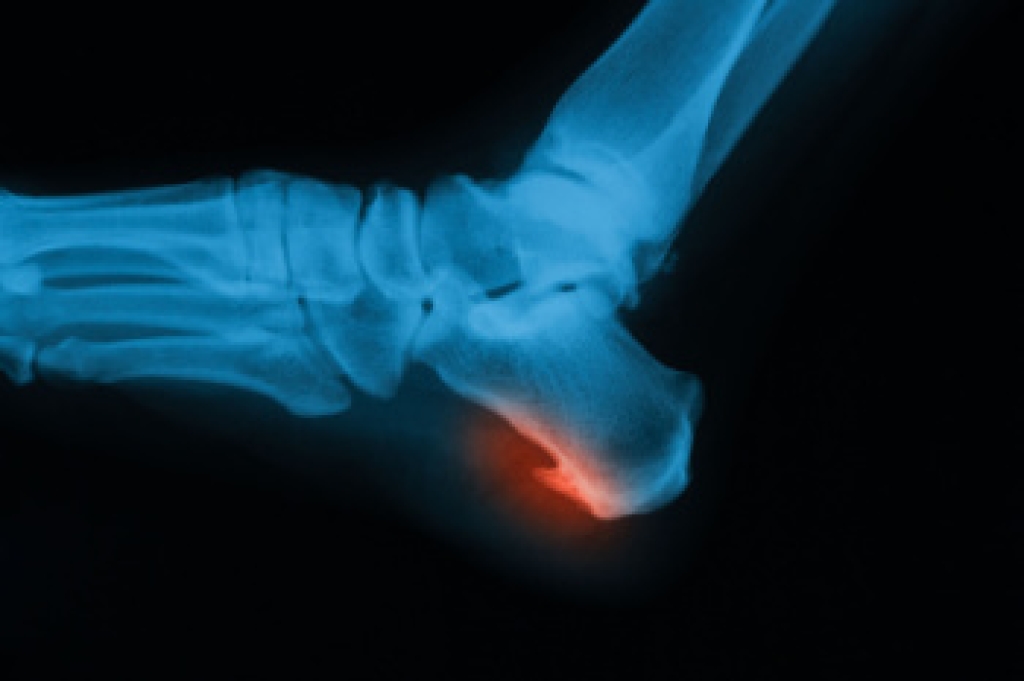
A stress fracture in the foot is a small crack in a bone, caused by repeated pressure rather than a sudden injury. It often develops slowly, so early signs can be easy to miss. Pain may begin as mild discomfort and become more noticeable with walking, running, or standing for long periods. Swelling, tenderness, or bruising may also occur. A stress fracture often affects weight-bearing bones, especially when activity levels increase too quickly. Because these fractures may not always appear on standard X-rays, advanced imaging like an MRI, a scan that shows detailed images of soft tissue and bone, may be needed for diagnosis. Early diagnosis helps prevent the crack from becoming a complete break and allows for proper care. A podiatrist can evaluate symptoms, perform a physical exam, and order the proper tests to confirm the condition. If you are experiencing symptoms of a foot stress fracture, it is suggested that you make an appointment with a podiatrist for treatment.

Stress fractures occur when there is a tiny crack within a bone. To learn more, contact Philip C. Caswell, DPM from Family Foot & Ankle Care. Our doctor can provide the care you need to keep you pain free and on your feet.

How Are They Caused?

Stress fractures are the result of repetitive force being placed on the bone. Since the lower leg and feet often carry most of the body’s weight, stress fractures are likely to occur in these areas. If you rush into a new exercise, you are more likely to develop a stress fracture since you are starting too much, too soon.  Pain resulting from stress fractures may go unnoticed at first, however it may start to worsen over time.

Risk Factors

  • Gender – They are more commonly found in women compared to men.
  • Foot Problems – People with unusual arches in their feet are more likely to develop stress fractures.
  • Certain Sports – Dancers, gymnasts, tennis players, runners, and basketball players are more likely to develop stress fractures.
  • Lack of Nutrients – A lack of vitamin D and calcium may weaken the bones and make you more prone to stress fractures
  • Weak Bones – Osteoporosis can weaken the bones therefore resulting in stress fractures

Stress fractures do not always heal properly, so it is important that you seek help from a podiatrist if you suspect you may have one. Ignoring your stress fracture may cause it to worsen, and you may develop chronic pain as well as additional fractures.

If you have any questions please contact our office located in Sparta, NJ . We offer the newest diagnostic and treatment technologies for all your foot and ankle needs.

Read more about Stress Fractures of the Foot and Ankle

Are You Suffering From Nerve Damage?

Neuropathy is a condition that can lead to numbness or loss of sensation in the feet, but it can also cause pain. This condition is more likely to develop for those who are diabetic, obese, or with high blood pressure.

Plantar Fasciitis and Footwear Choices

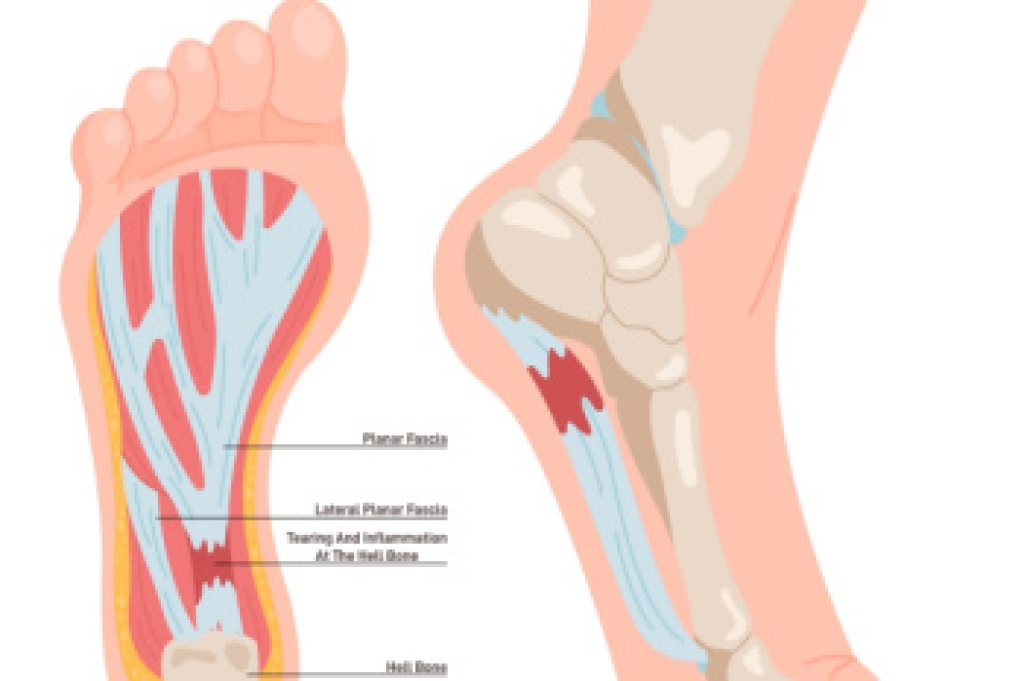
Plantar fasciitis involves inflammation of the thick band of tissue that supports the arch of the foot. It often develops when improper footwear fails to provide adequate support or cushioning, placing excessive strain on the heel and arch. Symptoms include sharp heel pain, stiffness, and discomfort that is often worse in the morning or after periods of rest. Risk factors include prolonged standing, high-impact activities, flat feet, high arches, and wearing unsupportive shoes. A podiatrist can diagnose the condition, recommend proper footwear, prescribe custom orthotics, and develop a treatment plan to reduce pain and improve function. Plantar fasciitis can be painful, and may cause difficulty in completing daily activities. If you have consistent heel pain, it is suggested that you consult a podiatrist who can accurately diagnose the problem.

Plantar fasciitis is a common foot condition that is often caused by a strain injury. If you are experiencing heel pain or symptoms of plantar fasciitis, contact Philip C. Caswell, DPM from Family Foot & Ankle Care. Our doctor can provide the care you need to keep you pain-free and on your feet.

What Is Plantar Fasciitis?

Plantar fasciitis is one of the most common causes of heel pain. The plantar fascia is a ligament that connects your heel to the front of your foot. When this ligament becomes inflamed, plantar fasciitis is the result. If you have plantar fasciitis you will have a stabbing pain that usually occurs with your first steps in the morning. As the day progresses and you walk around more, this pain will start to disappear, but it will return after long periods of standing or sitting.

What Causes Plantar Fasciitis?

  • Excessive running
  • Having high arches in your feet
  • Other foot issues such as flat feet
  • Pregnancy (due to the sudden weight gain)
  • Being on your feet very often

There are some risk factors that may make you more likely to develop plantar fasciitis compared to others. The condition most commonly affects adults between the ages of 40 and 60. It also tends to affect people who are obese because the extra pounds result in extra stress being placed on the plantar fascia.

Prevention

  • Take good care of your feet – Wear shoes that have good arch support and heel cushioning.
  • Maintain a healthy weight
  • If you are a runner, alternate running with other sports that won’t cause heel pain

There are a variety of treatment options available for plantar fasciitis along with the pain that accompanies it. Additionally, physical therapy is a very important component in the treatment process. It is important that you meet with your podiatrist to determine which treatment option is best for you.

If you have any questions, please feel free to contact our office located in Sparta, NJ . We offer the newest diagnostic and treatment technologies for all your foot care needs.


 

Read more about Plantar Fasciitis

Connect With Us