Common Environments Where Falls Can Happen

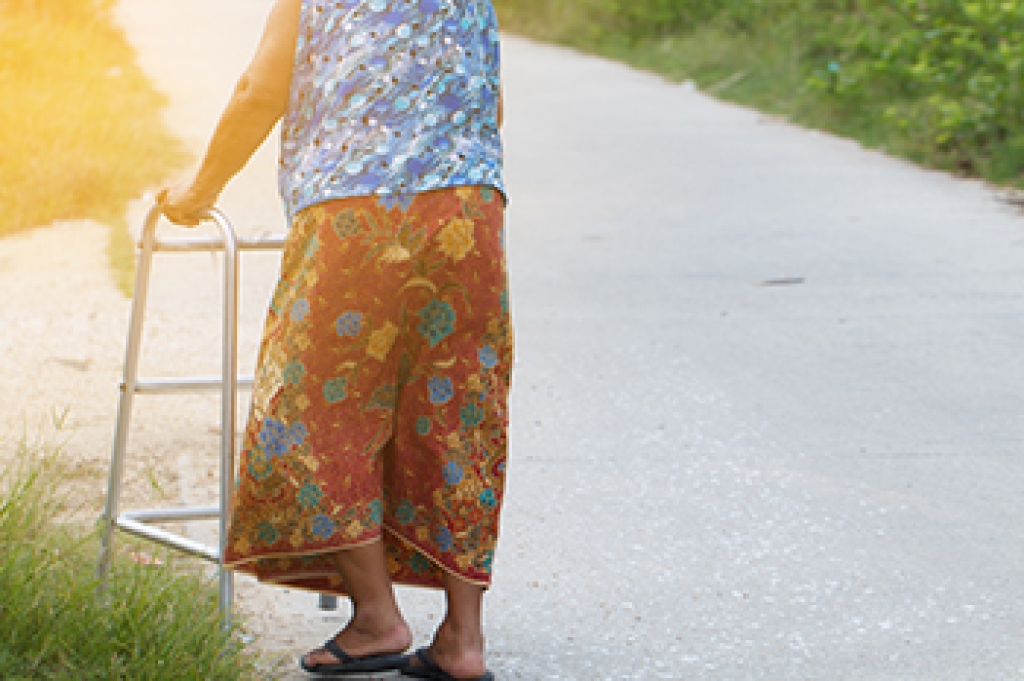
Nursing care centers often have their staff take a course in how to prevent residents from falling. It is a common occurrence that can happen in nursing care centers, hospitals, or homes, and it can inflict serious damage to the body and feet. This can make patients afraid of falling, causing them to limit their daily activities. There are conditions that contribute to falling episodes, and these can include body weakness, vision and physical illness, and walking and maintaining balance may be difficult. Some people may be deficient in vitamin D, and may possibly take medications consisting of tranquilizers and sedatives which may increase the risk of falling. There are simple fall prevention methods that can be implemented in the home, which may help to prevent falling. These can include removing worn rugs, and improving lighting in the house. It is beneficial to have a grab bar installed in the shower and toilet area in addition to using a good bath mat. Falling can affect the feet, and if you would like more information on effective fall prevention methods, please consult with a podiatrist.

Preventing falls among the elderly is very important. If you are older and have fallen or fear that you are prone to falling, consult with Philip C. Caswell, DPM from Family Foot & Ankle Care. Our doctor will assess your condition and provide you with quality advice and care.

Every 11 seconds, an elderly American is being treated in an emergency room for a fall related injury. Falls are the leading cause of head and hip injuries for those 65 and older. Due to decreases in strength, balance, senses, and lack of awareness, elderly persons are very susceptible to falling. Thankfully, there are a number of things older persons can do to prevent falls.

How to Prevent Falls

Some effective methods that older persons can do to prevent falls include:

  • Enrolling in strength and balance exercise program to increase balance and strength
  • Periodically having your sight and hearing checked
  • Discuss any medications you have with a doctor to see if it increases the risk of falling
  • Clearing the house of falling hazards and installing devices like grab bars and railings
  • Utilizing a walker or cane
  • Wearing shoes that provide good support and cushioning
  • Talking to family members about falling and increasing awareness

Falling can be a traumatic and embarrassing experience for elderly persons; this can make them less willing to leave the house, and less willing to talk to someone about their fears of falling. Doing such things, however, will increase the likelihood of tripping or losing one’s balance. Knowing the causes of falling and how to prevent them is the best way to mitigate the risk of serious injury.  

If you have any questions, please feel free to contact our office located in Sparta, NJ . We offer the newest diagnostic and treatment technologies for all your foot care needs.
Read more about Falls Prevention

Causes of Foot Stress Fractures

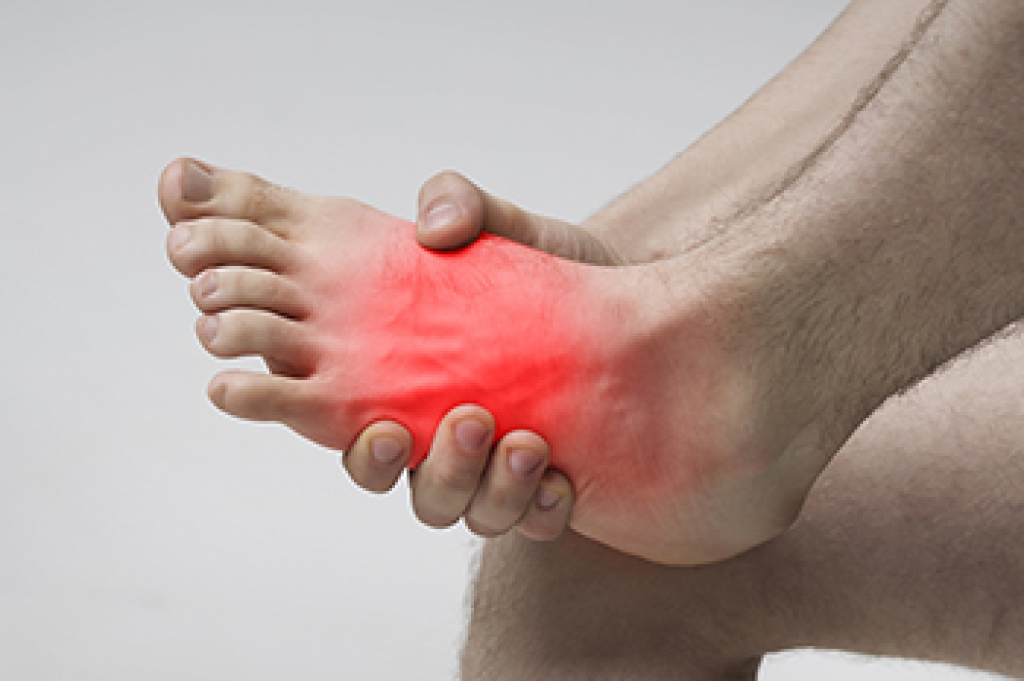
Stress fractures in the foot are usually the result of overuse or repetitive activities. They are common among runners, basketball and soccer players, and dancers. Women who are experiencing osteoporosis are also at risk. Foot stress fractures affect three main areas: the 2nd and 3rd metatarsals, the navicular bone at the top of the foot, and the calcaneus bone in the heel. Stress fractures may be difficult to detect because they are tiny hairline cracks in the bones and may easily be missed in an X-ray. Because they usually develop over time and are not immediately painful, stress fractures often go undetected or are mistaken for plain old sore feet. These fractures are caused by any activity that puts too much stress on the bones. Among the causes are increasing the frequency or length of an activity too quickly, changing from a soft to hard surface, using a faulty technique that may be the result of other conditions, and utilizing improper footwear. Even non-athletes experience stress fractures when walking too far or for too long while on vacation. If constant foot pain causes you to believe you may have developed stress fractures of the foot, please visit a podiatrist for a complete exam and diagnosis. 

Activities where too much pressure is put on the feet can cause stress fractures. To learn more, contact Philip C. Caswell, DPM from Family Foot & Ankle Care. Our doctor can provide the care you need to keep your pain free and on your feet.

Dealing with Stress Fractures of the Foot and Ankle

Stress fractures occur in the foot and ankle when muscles in these areas weaken from too much or too little use.  The feet and ankles then lose support when walking or running from the impact of the ground. Since there is no protection, the bones receive the full impact of each step. Stress on the feet can cause cracks to form in the bones, thus creating stress fractures.

What Are Stress Fractures?

Stress fractures occur frequently in individuals whose daily activities cause great impact on the feet and ankles. Stress factors are most common among:

  • Runners                                
  • People affected with Osteoporosis
  • Tennis or basketball players
  • Gymnasts
  • High impact workouts

Symptoms

Pain from the fractures occur in the area of the fractures and can be constant or intermittent. It will often cause sharp or dull pain with swelling and tenderness. Engaging in any kind of activity which involves high impact will aggravate pain.

If you have any questions please contact our office located in Sparta, NJ . We offer the newest diagnostic and treatment technologies for all your foot and ankle needs.

Read more about Dealing with Stress Fractures of the Foot and Ankle

Chef’s Feet

Professional chefs spend many hours a week on their feet cooking. Their days often involve a continuous day of standing, walking, bending, lifting, and turning at odd angles. Being on one’s feet so much will eventually take a toll. It might start with sore feet at the end of the day but often gradually starts to involve other parts of the body as everything is interconnected. It is important for anyone in this profession, and any other job that requires long hours of standing, to take proper care of their feet. If not, one will be in constant pain, productivity will be impacted, and the passion for cooking will take a back seat to aches and pains. A cook can delay or diminish foot pain by doing some simple things, including wearing shoes that fit well, are supportive, and have proper cushioning. Other tips are lifting properly and not more than can be handled, and wearing white socks, because colored socks have dye that can seep into pores when one sweats. Sitting (at least when eating) to take some of the pressure off the feet, as well as staying active and stretching when not working to keep limber may also help. Do as much as you can to take care of your feet if you are working on your feet all day. If you cannot get on top of the pain yourself, see a podiatrist for additional tips and treatment.

While working on the feet, it is important to take the proper care of them. For more information about working on your feet, contact Philip C. Caswell, DPM from Family Foot & Ankle Care. Our doctor will treat your foot and ankle needs.

Working on Your Feet

Standing on your feet for long periods of time can cause stress and pain in your feet. Your whole body may experience change in terms of posture, back pain, bunions, callouses and or plantar warts. There are ways to avoid these conditions with proper foot care, smart choices and correct posture.

Positive Changes

Negative heeled shoe – Choosing this shoe type places the heel slightly lower than the ball of the foot. These are great for overall foot health. Find shoes that fit you correctly.

Go barefoot – Our feet were not designed to be enclosed for all hours of the day. Try to periodically expose your feet to air.

Eliminate Pain

Foot Exercises – Performing simple exercises, incorporating yoga and doing stretches are beneficial. This will allow increased blood flow to the area and muscles of the foot.

Achilles tendon – Stretching the foot out flat on the floor will relax the calf muscles and tendon. These exercises can be performed almost anywhere. Make sure you add these exercises to your daily regimen. 

With a little bit of this information and knowing more about foot health, you will notice changes. Foot stretches and proper footwear will help with pain and prevent further issues.

If you have any questions please contact our office located in Sparta, NJ . We offer the newest diagnostic and treatment technologies for all your foot and ankle needs.

Read more about How to Handle a Long Work Day on Your Feet

Children’s Foot Pain

When a child complains about pain in their leg, it might be coming from a problem with their foot. Flat feet, or feet without a well-developed arch, is common among children. While some kids might not experience any symptoms of flat feet, others might feel cramping or tenderness in their feet, lower leg, or knee. They might limp or show an aversion to athletic activities and walking because of pain in their feet. While foot pain in children might be from growing, it could be something else that deserves examination by a qualified podiatrist. They might have a structural abnormality of the foot that requires orthotics or surgery. If your child complains of foot or leg pain, it is suggested you consult with a podiatrist who can properly diagnose their condition and offer treatment options.

Making sure that your children maintain good foot health is very important as they grow. If you have any questions, contact Philip C. Caswell, DPM of Family Foot & Ankle Care. Our doctor can provide the care you need to keep you pain-free and on your feet.

Keeping Children's Feet Healthy

Having healthy feet during childhood can help prevent medical problems later in life, namely in the back and legs. As children grow, their feet require different types of care. Here are some things to consider...

Although babies do not walk yet, it is still very important to take care of their feet.

Avoid putting tight shoes or socks on his or her feet.

Allow the baby to stretch and kick his or her feet to feel comfortable.

As a toddler, kids are now on the move and begin to develop differently. At this age, toddlers are getting a feel for walking, so don’t be alarmed if your toddler is unsteady or ‘walks funny’. 

As your child gets older, it is important to teach them how to take care of their feet.

Show them proper hygiene to prevent infections such as fungus.

Be watchful for any pain or injury.

Have all injuries checked by a doctor as soon as possible.

Comfortable, protective shoes should always be worn, especially at play.

If you have any questions, please feel free to contact our office located in Sparta, NJ . We offer the newest diagnostic and treatment technologies for all your foot care needs.

Read more about What to Do to Keep Your Child’s Feet Healthy

Connect With Us