
Foot Pain and Lifting Weights

Foot pain is a phenomenon that affects a wide range of individuals worldwide and can have various causes. People may experience foot pain after performing activities such as lifting weights. Specifically, when an individual lifts weights or performs deadlifts and lunges, they put extra pressure on their feet. If a person does not take enough time between lifting weights to rest, they may neglect recovery time, and foot pain may be more likely to occur. If someone is lifting weights with improper form and technique, this may also be a reason to develop unwanted foot conditions. If you frequently engage in weight lifting, it is suggested that you reach out to a podiatrist today who can provide you with appropriate treatment, if necessary.


Foot Pain

Foot pain can be extremely painful and debilitating. If you have a foot pain, consult with Philip C. Caswell, DPM from Family Foot & Ankle Care. Our doctor will assess your condition and provide you with quality foot and ankle treatment.

Causes

Foot pain is a very broad condition that could be caused by one or more ailments. The most common include:

  • Bunions
  • Hammertoes
  • Plantar Fasciitis
  • Bone Spurs
  • Corns
  • Tarsal Tunnel Syndrome
  • Ingrown Toenails
  • Arthritis (such as Gout, Rheumatoid, and Osteoarthritis)
  • Flat Feet
  • Injury (from stress fractures, broken toe, foot, ankle, Achilles tendon ruptures, and sprains)
  • And more

Diagnosis

To figure out the cause of foot pain, podiatrists utilize several different methods. This can range from simple visual inspections and sensation tests to X-rays and MRI scans. Prior medical history, family medical history, and any recent physical traumatic events will all be taken into consideration for a proper diagnosis.

Treatment

Treatment depends upon the cause of the foot pain. Whether it is resting, staying off the foot, or having surgery; podiatrists have a number of treatment options available for foot pain.

If you have any questions, please feel free to contact our office located in Sparta, NJ . We offer the newest diagnostic and treatment technologies for all your foot care needs.

Read more about Foot Pain

Plantar Warts Can Be Treated!

Plantar warts are small growths that develop on parts of the feet that bear weight. They're typically found on the bottom of the foot. Don't live with plantar warts, and call us today!

Successful Treatment Methods for a Broken Toe

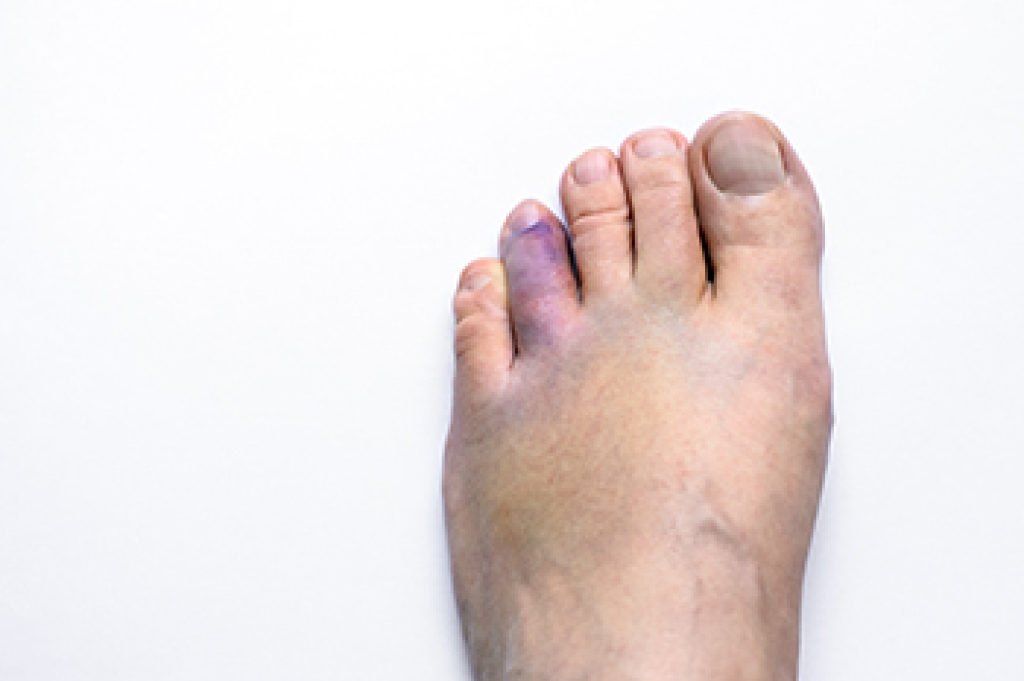
A broken toe hurts. It can happen from stubbing it against a piece of furniture or dropping a heavy object. Immediate symptoms often include bruising and swelling, and walking is often difficult. A broken toe generally takes approximately four weeks to heal, and it can help to refrain from walking on it and frequently elevating the foot. Many people use crutches when they have a broken toe, which can help to provide mobility. A mildly broken toe can be treated by using the buddy taping method. This is done by taping the affected toe to the toe next to it, which generally provides the necessary stability as the healing process occurs. It is beneficial to place a piece of felt or foam between the toes, which helps to prevent the toes from rubbing against each other. If the bone is protruding from the skin, this is considered to be severely fractured and often requires medical attention from a podiatrist. If you have broken your toe, it is strongly suggested that you contact this type of foot doctor who can diagnose and treat this injury accordingly.

A broken toe can be very painful and lead to complications if not properly fixed. If you have any concerns about your feet, contact Philip C. Caswell, DPM from Family Foot & Ankle Care. Our doctor will treat your foot and ankle needs.

What to Know About a Broken Toe

Although most people try to avoid foot trauma such as banging, stubbing, or dropping heavy objects on their feet, the unfortunate fact is that it is a common occurrence. Given the fact that toes are positioned in front of the feet, they typically sustain the brunt of such trauma. When trauma occurs to a toe, the result can be a painful break (fracture).

Symptoms of a Broken Toe

  • Throbbing pain
  • Swelling
  • Bruising on the skin and toenail
  • The inability to move the toe
  • Toe appears crooked or disfigured
  • Tingling or numbness in the toe

Generally, it is best to stay off of the injured toe with the affected foot elevated.

Severe toe fractures may be treated with a splint, cast, and in some cases, minor surgery. Due to its position and the pressure it endures with daily activity, future complications can occur if the big toe is not properly treated.

If you have any questions, please feel free to contact our office located in Sparta, NJ . We offer the newest diagnostic and treatment technologies for all your foot care needs.
Read more about What to Know About a Broken Toe

Laser Treatment for Nail Fungus

Toenail fungus, or onychomycosis, causes the nails to thicken, separate, and discolor. It is an affliction that is difficult to remove and stop from recurring. It is also contagious and can spread to other body parts and people directly exposed to it. Laser treatment uses concentrated light to help kill fungus and prevent its growth. This treatment started in the 1980s, and newer types of laser treatment have been introduced since then. Those who may benefit most from laser treatment for nail fungus include children, pregnant women, and those with underlying health conditions or problems with medication intolerances. The cost and number of sessions vary, as does insurance coverage. If you have a stubborn case of toenail fungus, it is suggested that you contact a podiatrist to discuss laser treatment as an option.

Laser treatment can be an effective way to get rid of toenail fungus. If you have any questions about laser treatment, consult with Philip C. Caswell, DPM from Family Foot & Ankle Care. Our doctor will assess your condition and provide you with quality treatment for fungal nails.

What Are Toenail Fungal Infections?

Onychomycosis, or fungal infection of the nail, is a relatively common and non-serious condition. Around 10 percent of U.S. citizens are afflicted with fungal nails. Common forms of fungus that infect the nail include dermatophytes, yeasts, and molds.

Symptoms of Toenail Fungal Infections Include:

  • Nail thickening
  • Brittleness of the nail
  • Discoloration of the nail

Diagnosis for Fungal Nails

Fungal infections are diagnosed by fungal culture and microscopy. This will rule out any other conditions such as nail trauma, psoriasis, lichen planus, and onychogryphosis.

What Is Laser Treatment?

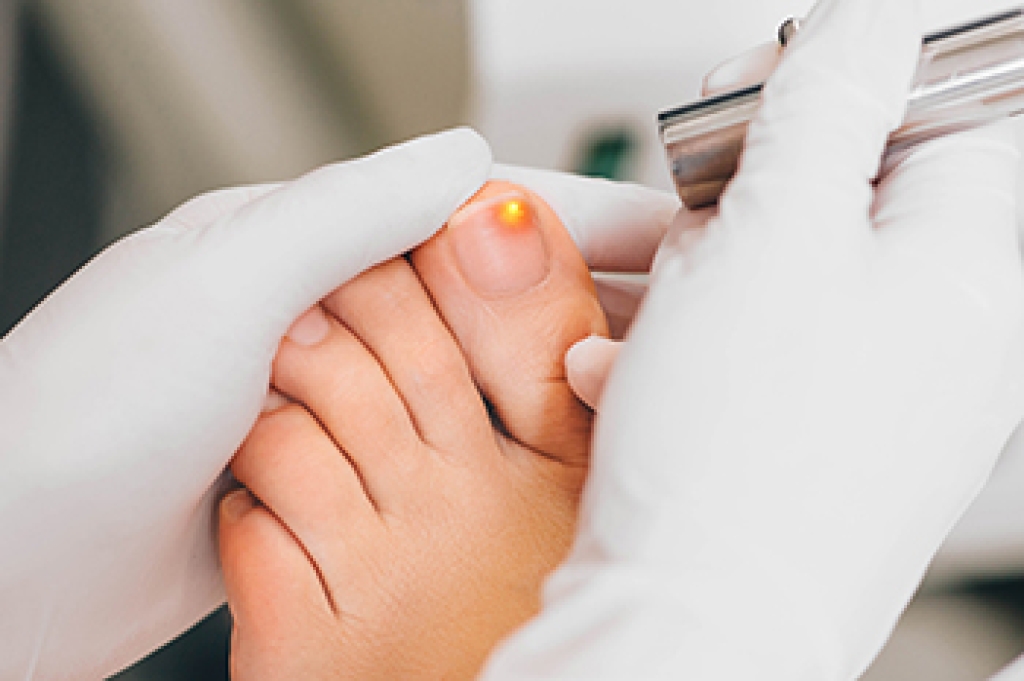
Laser treatment is a non-invasive, safe, quick, and painless procedure that uses the heat from a laser to kill fungus in the nail. Each infected nail is targeted with a laser for several minutes. The treatment is usually utilized several different times over a select period. During this time, a podiatrist will keep an eye on the infection.

If you have any questions, please feel free to contact our office located in Sparta, NJ . We offer the newest diagnostic and treatment technologies for all your foot care needs.
Read more about Laser Treatment for Fungal Nails

Indications of Morton’s Neuroma

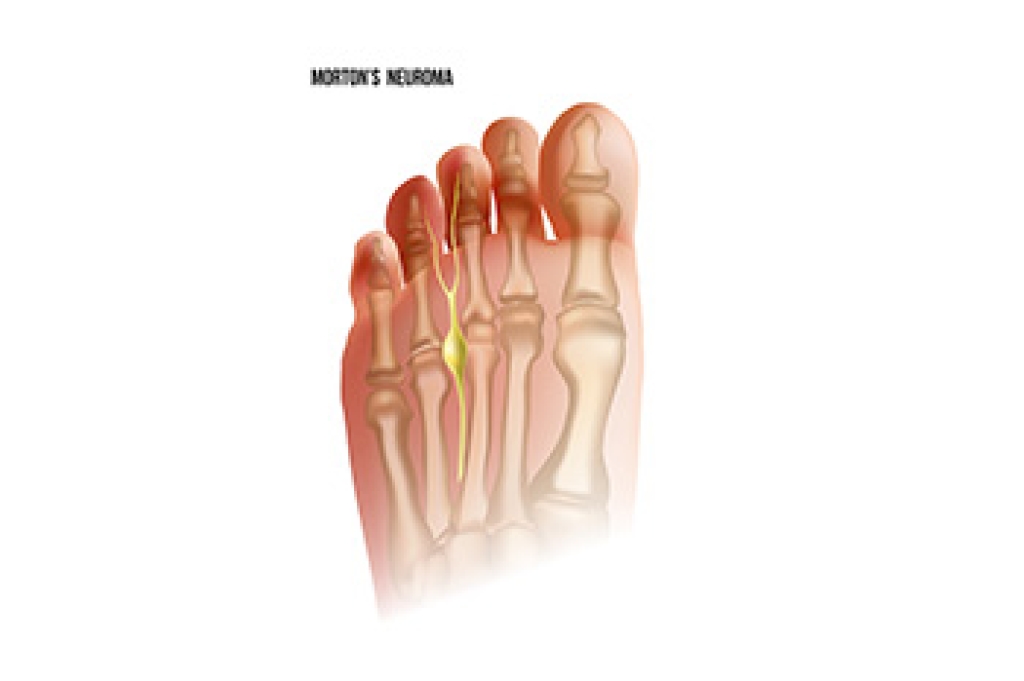
The pain from the foot condition that is known as Morton’s neuroma is generally felt between the third and fourth toes. It affects the nerve in this area and can happen from wearing shoes that do not have adequate room in the toe area. High heels fall  into this category, and Morton’s neuroma may develop when they are frequently worn. A neuroma occurs when the nerve becomes pressed or irritated, and if left untreated, it may begin to swell and enlarge. Common symptoms that are experienced can consist of pain, burning, or a numbing sensation. Some people describe the feeling as having a pebble or marble in their shoe, and the discomfort may increase if tightly laced shoes are worn. Relief may be found when shoes are worn that have enough room in the toe area to move freely  in, and the affected foot is elevated. If you have pain in this part of your foot, it is suggested that you speak with a podiatrist who can effectively diagnose and treat Morton’s neuroma.

Morton’s neuroma is a very uncomfortable condition to live with. If you think you have Morton’s neuroma, contact Philip C. Caswell, DPM of Family Foot & Ankle Care. Our doctor will attend to all of your foot care needs and answer any of your related questions.  

Morton’s Neuroma

Morton's neuroma is a painful foot condition that commonly affects the areas between the second and third or third and fourth toe, although other areas of the foot are also susceptible. Morton’s neuroma is caused by an inflamed nerve in the foot that is being squeezed and aggravated by surrounding bones.

What Increases the Chances of Having Morton’s Neuroma?

  • Ill-fitting high heels or shoes that add pressure to the toe or foot
  • Jogging, running or any sport that involves constant impact to the foot
  • Flat feet, bunions, and any other foot deformities

Morton’s neuroma is a very treatable condition. Orthotics and shoe inserts can often be used to alleviate the pain on the forefront of the feet. In more severe cases, corticosteroids can also be prescribed. In order to figure out the best treatment for your neuroma, it’s recommended to seek the care of a podiatrist who can diagnose your condition and provide different treatment options.

If you have any questions, please feel free to contact our office located in Sparta, NJ . We offer the newest diagnostic and treatment technologies for all your foot care needs.

Read more about Morton's Neuroma

Connect With Us