
Excess Weight May Lead To Having Heel Pain

People who carry additional weight on their body frame may find they have foot pain. The feet carry the weight of the body and painful foot conditions may develop from the excess pounds. Heel pain can be common in people who are overweight and may be indicative of plantar fasciitis, which is an inflamed plantar fascia. This is the band of tissue that is found on the bottom of the feet and connects the heels to the toes. The extra weight can put pressure on this portion of tissue, often resulting in chronic heel pain. Maintaining a consistent exercise program is often necessary to lose weight and having heel pain can make it difficult to pursue. The overall body can benefit from losing additional weight. This can be accomplished by incorporating healthy foods into daily eating habits and starting out with performing gentle stretches. If you are overweight and have any type of foot or heel pain, it is strongly advised that you speak with a podiatrist who can help you with treatment options and offer suggestions for successful weight loss.

Obesity has become very problematic at this point in time and can have extremely negative effects on the feet. If you’re an obese individual and are concerned about your feet, contact Philip C. Caswell, DPM from Family Foot & Ankle Care. Our doctor can provide the care you need to keep you pain-free and on your feet.

Obesity and Your Feet

Since your feet are what support your entire weight when standing, any additional weight can result in pain and swelling. Being overweight is one of the main contributors to foot complications.

Problems & Complications

Extra Weight – Even putting on just a few extra pounds could create serious complications for your feet. As your weight increases, your balance and body will shift, creating new stresses on your feet. This uneven weight distribution can cause pain, even while doing the simplest tasks, such as walking.

Diabetes – People who are overweight are at serious risk of developing type-2 diabetes, which has a drastic impact on the health of your feet. As you get older, your diabetes might worsen, which could lead to loss of feeling in your feet, sores, and bruises. You could also become more prone to various infections.

Plantar fasciitis – Pressure and stress that is placed on muscles, joints, and tendons can trigger plantar fasciitis, which is an inflammation of tissue that forms along the bottom of the foot. 

If you have any questions, please feel free to contact our office located in Sparta, NJ . We offer the newest diagnostic and treatment technologies for all your foot care needs.

Read more about How Obesity Affects Your Feet

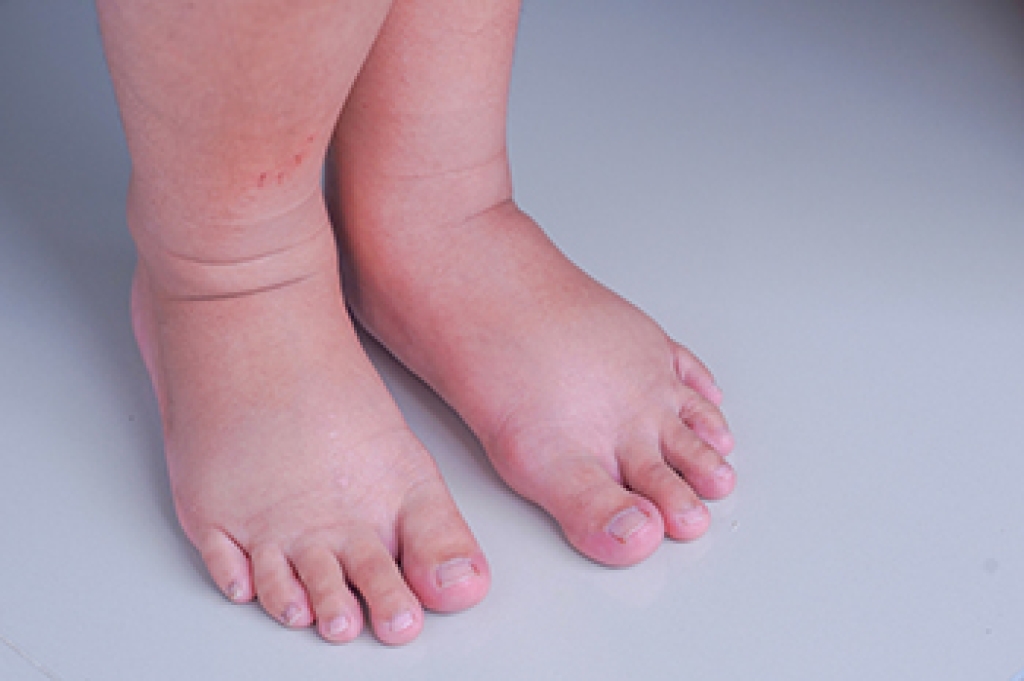
Swollen Feet May Be Linked to Eating Certain Foods

Swelling is defined as specific areas of the body becoming larger, and this pertains to the feet and ankles. There are various reasons for the feet to swell, including enduring a foot or ankle injury, pregnancy, and medical conditions such as lymphedema. Additionally, taking specific medications may cause the feet to swell. These can consist of hormones, antidepressants, or medicine for diabetes. Research has shown that eating certain foods may be linked to having swollen feet. Foods that are regularly eaten such as processed, refined, and salted may increase the chances of developing swollen feet. Foods that are made with a large amount of sugar and fats such as vegetable oil may also be linked to having swollen feet. If your feet and ankles are swollen and become uncomfortable, please consult with a podiatrist who can guide you toward determining the reason for this condition and offer correct treatment methods.

Swollen feet can be a sign of an underlying condition. If you have any concerns, contact Philip C. Caswell, DPM of Family Foot & Ankle Care. Our doctor can provide the care you need to keep you pain-free and on your feet.

Swollen feet are a common ailment among pregnant women and people who stand or sit for extended periods. Aging may increase the possibility of swollen feet and patients who are obese often notice when their feet are swelling too. There may be medical reasons why swollen feet occur:

  • Phlebitis - A condition that causes the veins to become inflamed and can also cause leg pain.
  • Liver disease - This may lead to low blood levels of albumin which is a protein. This can cause fluid in the blood to pass into the tissues and several areas of the body can become swollen.
  • Heart failure - When the heart doesn’t pump properly the blood that is normally pumped back to the heart can pool in the veins of the legs causing swollen feet.
  • Kidney disease - One of the main functions of the kidneys is releasing excess fluid in the body. This type of condition can make it difficult for the kidneys to function properly, and as a result the feet may become swollen.
  • Deep-vein thrombosis (DVT)- This is a serious condition where blood clots form in the veins of the legs. They can block the return of blood from the legs to the heart which may cause the feet to swell. It is important to be treated by a podiatrist if this condition is present.

Swollen feet can also be caused by bone and tendon conditions, including fractures, arthritis, and tendinitis. Additionally, there may be skin and toenail conditions and an infection may cause the feet to swell. Patients who take medicine to treat high blood pressure may be prone to getting swollen feet. 

Many patients elevate their feet to help relieve the swelling and this is generally a temporary remedy. When a podiatrist is consulted the reason behind the swelling can be uncovered and subsequently treated.

If you have any questions please contact our office located in Sparta, NJ . We offer the newest diagnostic and treatment technologies for all your foot and ankle needs.

Read more about Swelling of the Feet

Are You Suffering From Nerve Damage?

Neuropathy is a condition that can lead to numbness or loss of sensation in the feet, but it can also cause pain. This condition is more likely to develop for those who are diabetic, obese, or with high blood pressure.

What Is Peroneal Tendinopathy?

Peroneal tendinopathy is an overuse injury that causes inflammation and degeneration of the peroneal tendons on the outer part of the ankle. The peroneal tendons go down the back and under the lateral malleolus, or the bony part on the outside of the ankle. When there is an overuse injury, the peroneal tendons rub on the bone, and it becomes inflamed. Running, poor flexibility, tight calf muscles, and overtraining are some of the reasons this can happen. The main symptom of peroneal tendinopathy is pain on the outside of the ankle. Rest is important in overuse injuries such as this and continuing the activity that caused the injury will interfere with healing. However, other physical activities, such as swimming or cycling, can be substituted to maintain fitness until the pain subsides. If the outside of your ankle hurts, see a podiatrist who will perform tests to diagnose the problem, and offer treatment options.

Ankle pain can have many different causes and the pain may potentially be serious. If you have ankle pain, consult with Philip C. Caswell, DPM from Family Foot & Ankle Care. Our doctor will assess your condition and provide you with quality foot and ankle treatment.

Ankle pain is any condition that causes pain in the ankle. Due to the fact that the ankle consists of tendons, muscles, bones, and ligaments, ankle pain can come from a number of different conditions.

Causes

The most common causes of ankle pain include:

  • Types of arthritis (rheumatoid, osteoarthritis, and gout)
  • Ankle sprains
  • Broken ankles
  • Achilles tendinitis
  • Achilles tendon rupture
  • Stress fractures
  • Tarsal tunnel syndrome
  • Plantar fasciitis

Symptoms

Symptoms of ankle injury vary based upon the condition. Pain may include general pain and discomfort, swelling, aching, redness, bruising, burning or stabbing sensations, and/or loss of sensation.

Diagnosis

Due to the wide variety of potential causes of ankle pain, podiatrists will utilize a number of different methods to properly diagnose ankle pain. This can include asking for personal and family medical histories and of any recent injuries. Further diagnosis may include sensation tests, a physical examination, and potentially x-rays or other imaging tests.

Treatment

Just as the range of causes varies widely, so do treatments. Some more common treatments are rest, ice packs, keeping pressure off the foot, orthotics and braces, medication for inflammation and pain, and surgery.

If you have any questions please feel free to contact our office located in Sparta, NJ . We offer the newest diagnostic tools and technology to treat your foot and ankle needs.

Read more about Ankle Pain

Various Reasons for Foot Pain

The foot consists of several bones, tendons, and muscles that work together, providing the ability to walk, run, and jump. Foot pain can occur if the bones become misaligned, which can happen from enduring an injury. Additionally, specific types of foot pain can develop gradually, and this can be indicative of a stress fracture, plantar fasciitis, or a heel spur. The pain from plantar fasciitis may be more prominent in the morning after arising, and it can feel like a stabbing sensation on the sole of the foot. Women can experience the foot condition that is known as Morton’s neuroma, possibly as a result of frequently wearing high heels. It affects the nerve between the third and fourth toes and can cause significant foot pain as it becomes inflamed. Achilles tendonitis generally occurs from a sudden injury that involves the Achilles tendon. This is the tendon that connects the calf muscles to the heel, and severe foot pain can develop if it becomes injured. Any type of foot pain requires the expert advice of a podiatrist, and it is strongly urged that you contact this type of doctor if you have foot pain.

Foot Pain

Foot pain can be extremely painful and debilitating. If you have a foot pain, consult with Philip C. Caswell, DPM from Family Foot & Ankle Care. Our doctor will assess your condition and provide you with quality foot and ankle treatment.

Causes

Foot pain is a very broad condition that could be caused by one or more ailments. The most common include:

  • Bunions
  • Hammertoes
  • Plantar Fasciitis
  • Bone Spurs
  • Corns
  • Tarsal Tunnel Syndrome
  • Ingrown Toenails
  • Arthritis (such as Gout, Rheumatoid, and Osteoarthritis)
  • Flat Feet
  • Injury (from stress fractures, broken toe, foot, ankle, Achilles tendon ruptures, and sprains)
  • And more

Diagnosis

To figure out the cause of foot pain, podiatrists utilize several different methods. This can range from simple visual inspections and sensation tests to X-rays and MRI scans. Prior medical history, family medical history, and any recent physical traumatic events will all be taken into consideration for a proper diagnosis.

Treatment

Treatment depends upon the cause of the foot pain. Whether it is resting, staying off the foot, or having surgery; podiatrists have a number of treatment options available for foot pain.

If you have any questions, please feel free to contact our office located in Sparta, NJ . We offer the newest diagnostic and treatment technologies for all your foot care needs.

Read more about Foot Pain

Connect With Us