Foot Conditions May Be Helped by Wearing Orthotics

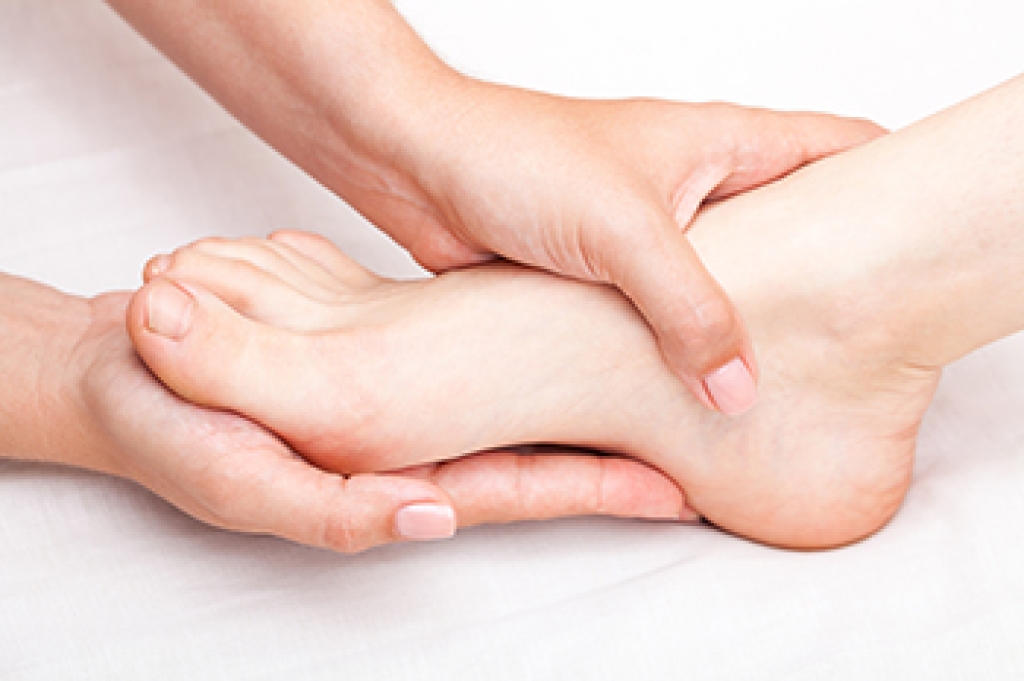
Many people understand that having foot pain is not normal and will often look to wearing custom-made orthotics to find relief. Orthotics are described as inserts that are worn inside the shoe that may help to correct an abnormal walking pattern. Orthotics can enable the angles of the feet to normalize as well as help make daily activities easier to complete. Additionally, they can help the patient's feet to absorb shock which may reduce pressure on existing sore spots. Orthotics are known to help correct imbalances in the feet that can affect the entire body. Some of the ways a patient may notice they qualify for orthotics include one shoe wearing out faster than the other shoe, experiencing chronic heel pain, the feet excessively pointing in or out, and the toes are not straight. If you have foot conditions that need to be corrected, please consult with a podiatrist who can determine if wearing orthotics are right for you.

If you are having discomfort in your feet and would like to try orthotics, contact Philip C. Caswell, DPM from Family Foot & Ankle Care. Our doctor can provide the care you need to keep you pain-free and on your feet.

What Are Orthotics?

Orthotics are inserts you can place into your shoes to help with a variety of foot problems such as flat feet or foot pain. Orthotics provide relief and comfort for minor foot and heel pain but can’t correct serious biomechanical problems in your feet.

Over-the-Counter Inserts

Orthotics come in a wide variety of over-the-counter inserts that are used to treat foot pain, heel pain, and minor problems. For example, arch supports can be inserted into your shoes to help correct overarched or flat feet, while gel insoles are often used because they provide comfort and relief from foot and heel pain by alleviating pressure.

Prescription Orthotics

If over-the-counter inserts don’t work for you or if you have a more severe foot concern, it is possible to have your podiatrist prescribe custom orthotics. These high-quality inserts are designed to treat problems such as abnormal motion, plantar fasciitis, and severe forms of heel pain. They can even be used to help patients suffering from diabetes by treating foot ulcers and painful calluses and are usually molded to your feet individually, which allows them to provide full support and comfort.

If you are experiencing minor to severe foot or heel pain, it’s recommended to speak with your podiatrist about the possibilities of using orthotics. A podiatrist can determine which type of orthotic is right for you and allow you to take the first steps towards being pain-free.

If you have any questions, please feel free to contact our office located in Sparta, NJ . We offer the newest diagnostic and treatment technologies for all your foot care needs.
Read more about Foot Orthotics

Can Blisters Be Prevented?

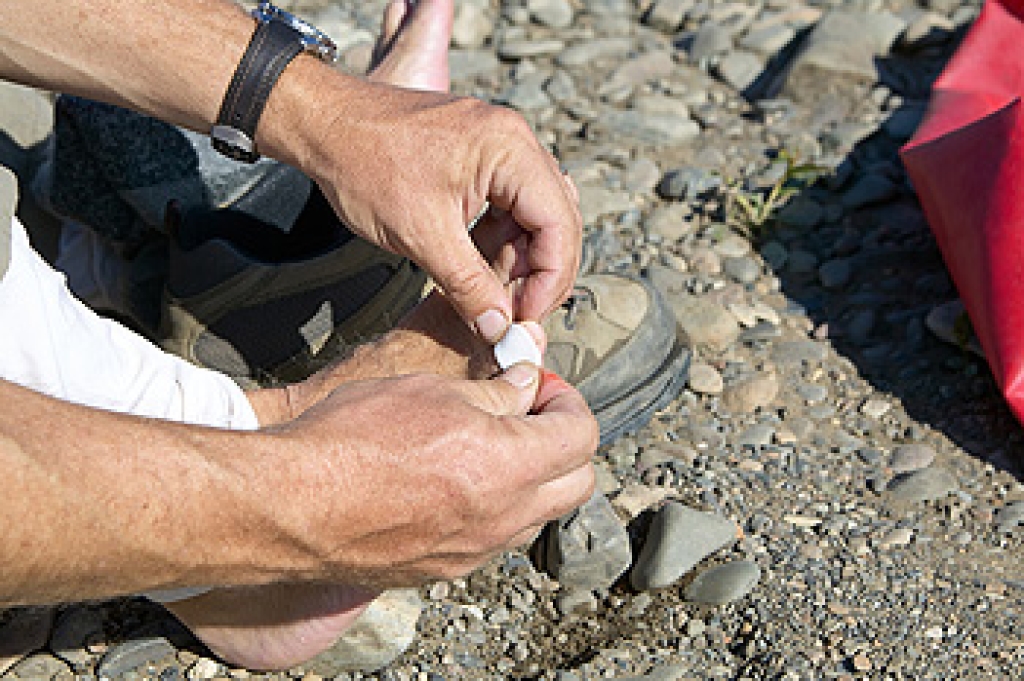
A blister can cause annoyance and discomfort to people who enjoy running. Blisters are defined as a small area of skin that resembles a bubble. It is filled with a fluid that protects the damaged skin as new skin forms underneath it. It is considered to be the body’s natural defense mechanism as the skin heals. A blister generally develops as a result of friction that can come from wearing shoes and socks that do not fit correctly. Blisters can be painful and may become infected, if not treated properly. There are some patients who notice blisters have formed from having an allergic reaction, or from medical conditions like eczema and psoriasis. There are specific things that can be done to protect the blister. These include refraining from bursting or peeling the blister away from the skin and wearing shoes that do not rub against the blister. If you have a blister that won’t heal or becomes infected, please consult with a podiatrist who can offer you methods on how to avoid getting blisters on the feet.

Blisters are prone to making everyday activities extremely uncomfortable. If your feet are hurting, contact Philip C. Caswell, DPM of Family Foot & Ankle Care. Our doctor can provide the care you need to keep you pain-free and on your feet.

Foot Blisters

Foot blisters develop as a result of constantly wearing tight or ill-fitting footwear. This happens due to the constant rubbing from the shoe, which can often lead to pain.

What Are Foot Blisters?

A foot blister is a small fluid-filled pocket that forms on the upper-most layer of the skin. Blisters are filled with clear fluid and can lead to blood drainage or pus if the area becomes infected.

How Do Blisters Form?

Blisters on the feet are often the result of constant friction of skin and material, usually by shoe rubbing. Walking in sandals, boots, or shoes that don’t fit properly for long periods of time can result in a blister. Having consistent foot moisture and humidity can easily lead to blister formation.

Prevention & Treatment

It is important to properly care for the affected area in order to prevent infection and ease the pain. Do not lance the blister and use a Band-Aid to provide pain relief. Also, be sure to keep your feet dry and wear proper fitting shoes. If you see blood or pus in a blister, seek assistance from a podiatrist.

If you have any questions, please feel free to contact our office located in Sparta, NJ . We offer the newest diagnostic and treatment technologies for all your foot care needs.
Read more about Blisters on the Feet

Rare Foot Conditions and Arches

The function of the feet is to provide balance and mobility to the body. This may be compromised when there are existing foot deformities. When the feet are positioned incorrectly, it may cause the body to move out of alignment and prompt medical attention is often sought. Incorrect foot positioning may be one of the first signs that specific foot conditions are developing and many of them have to do with an abnormal arch. Skew foot can happen when the arch loses its original position and this can occur from having unstable tendons and ligaments. Flat feet, which are also known as fallen arches, can produce pain and discomfort. It is noticeable as the inside of the foot is lower than the rest of the foot. Additionally, many children are pigeon-toed which forces the feet to point inward. Research has shown this condition is typically easy to correct. If you would like more information about various rare foot conditions, please consult with a podiatrist who can provide you with the information you seek.

Some foot conditions may require additional professional care. If you have any concerns, contact Philip C. Caswell, DPM of Family Foot & Ankle Care. Our doctor can provide the care you need to keep you pain-free and on your feet.

Rare Foot Conditions

The majority of foot conditions are common and can be treated by a podiatrist.  Standard diagnostic procedures are generally used to identify specific conditions and treatment can be rendered. A podiatrist also treats rare foot conditions which can be difficult to diagnose and may need extra attention and care. 

There are many rare foot conditions that can affect children. Some of these can include:

  • Freiberg’s disease
  • Kohler’s disease
  • Maffucci syndrome

Freiberg’s disease - This can be seen as a deterioration and flattening of a metatarsal bone that exists in the ball of the foot. It typically affects pre-teen and teenage girls, but can affect anyone at any age. Symptoms that can accompany this can be swelling, stiffness, and the patient may limp. 

Kohler’s disease - This often targets the bone in the arch of the foot and affects younger boys. It can lead to an interruption of the blood supply which ultimately can lead to bone deterioration. The patient may limp or experience tenderness, swelling, and redness.

Maffucci syndrome - This affects the long bones in a child’s foot leading to the development of abnormal bone lesions. They are benign growths and typically develop in early childhood and the bones may be susceptible to breaking. 

A podiatrist can properly diagnose and treat all types of rare foot conditions. If your child is affected by any of these symptoms or conditions, please don’t hesitate to call our office so the correct treatment method can begin.

If you have any questions, please feel free to contact our office located in Sparta, NJ . We offer the newest diagnostic and treatment technologies for all your foot care needs.
Read more about Rare Foot Conditions

Heel Pain in the Morning?

Heel pain can negatively affect your day-to-day life. Simple activities like walking can become incredibly uncomfortable or painful due to heel pain.

Don’t live with heel pain and get treated.

Trimming a Child’s Toenails

If you are a parent, then you surely know that trimming your child’s toenails is a critical component of maintaining their overall foot health. However, when the child resists or protests getting their toenails trimmed, the process can be quite difficult. Parents might consider trying to trim their child’s toenails in the bath because this is when their nails are most soft. Additionally, you might even try letting the child see you trim your own nails. Sometimes, children feel uncomfortable when parents trim their toenails because it may seem like a scary procedure to them. However, by letting the child see the parent trim their own nails, the parent might be able to show the child that it is not a scary procedure after all. If you have a child and want to learn more about ways to protect their feet, contact a podiatrist today.

Making sure that your children maintain good foot health is very important as they grow. If you have any questions, contact Philip C. Caswell, DPM of Family Foot & Ankle Care. Our doctor can provide the care you need to keep you pain-free and on your feet.

Keeping Children's Feet Healthy

Having healthy feet during childhood can help prevent medical problems later in life, namely in the back and legs. As children grow, their feet require different types of care. Here are some things to consider...

Although babies do not walk yet, it is still very important to take care of their feet.

Avoid putting tight shoes or socks on his or her feet.

Allow the baby to stretch and kick his or her feet to feel comfortable.

As a toddler, kids are now on the move and begin to develop differently. At this age, toddlers are getting a feel for walking, so don’t be alarmed if your toddler is unsteady or ‘walks funny’. 

As your child gets older, it is important to teach them how to take care of their feet.

Show them proper hygiene to prevent infections such as fungus.

Be watchful for any pain or injury.

Have all injuries checked by a doctor as soon as possible.

Comfortable, protective shoes should always be worn, especially at play.

If you have any questions, please feel free to contact our office located in Sparta, NJ . We offer the newest diagnostic and treatment technologies for all your foot care needs.

Read more about What to Do to Keep Your Child’s Feet Healthy

Connect With Us