Diagnosis and Causes of Hammertoe

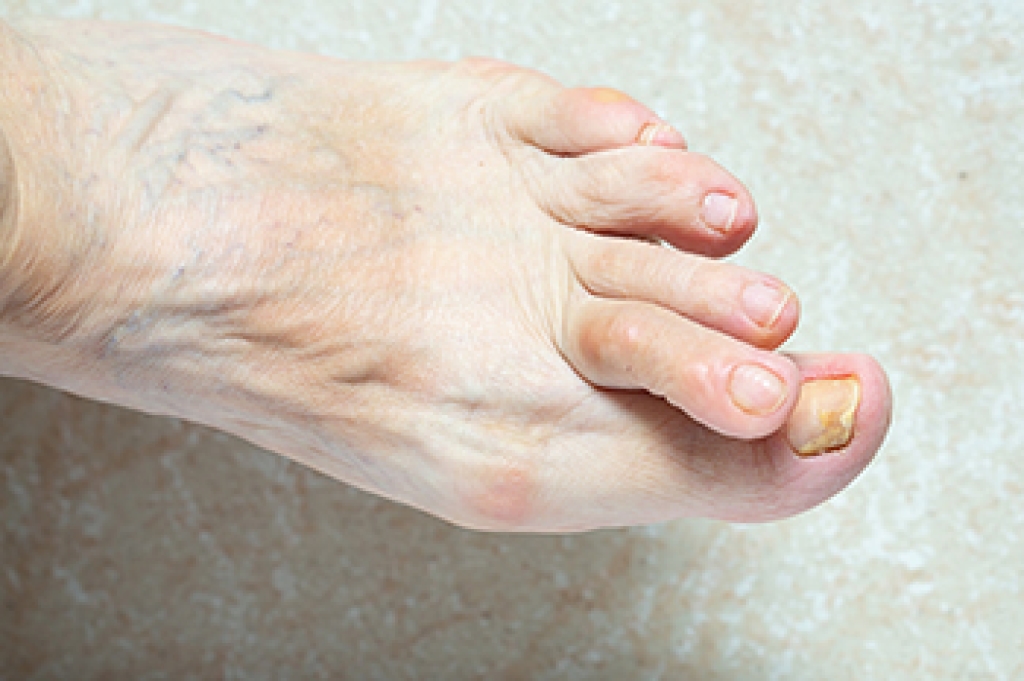
Hammertoe, a condition affecting the toes, manifests as an abnormal bend in one or more joints, resembling a hammer's shape. This deformity typically occurs in the second, third, or fourth toe, leading to discomfort and difficulty while wearing shoes. Causes of hammertoe vary, with prominent factors including prolonged wearing of ill-fitting footwear, toe injuries, muscle imbalance, and conditions like arthritis. Diagnosing hammertoe involves a physical examination by a podiatrist, who assesses the toe's flexibility, alignment, and range of motion. Additionally, X-rays may be performed to confirm the diagnosis and evaluate the severity of the deformity. Early detection is essential, as untreated hammertoe can worsen over time, leading to chronic pain and mobility issues. Once diagnosed, treatment options may include orthotic devices, toe exercises, shoe modifications, and in severe cases, surgery to correct the toe's alignment. If you have a hammertoe, it is strongly suggested that you consult a podiatrist who can determine the best course of treatment for you.

Hammertoe

Hammertoes can be a painful condition to live with. For more information, contact Philip C. Caswell, DPM from Family Foot & Ankle Care. Our doctor will answer any of your foot- and ankle-related questions.

Hammertoe is a foot deformity that affects the joints of the second, third, fourth, or fifth toes of your feet. It is a painful foot condition in which these toes curl and arch up, which can often lead to pain when wearing footwear.

Symptoms

  • Pain in the affected toes
  • Development of corns or calluses due to friction
  • Inflammation
  • Redness
  • Contracture of the toes

Causes

Genetics – People who are genetically predisposed to hammertoe are often more susceptible

Arthritis – Because arthritis affects the joints in your toes, further deformities stemming from arthritis can occur

Trauma – Direct trauma to the toes could potentially lead to hammertoe

Ill-fitting shoes – Undue pressure on the front of the toes from ill-fitting shoes can potentially lead to the development of hammertoe

Treatment

Orthotics – Custom made inserts can be used to help relieve pressure placed on the toes and therefore relieve some of the pain associated with it

Medications – Oral medications such as anti-inflammatories or NSAIDs could be used to treat the pain and inflammation hammertoes causes. Injections of corticosteroids are also sometimes used

Surgery – In more severe cases where the hammertoes have become more rigid, foot surgery is a potential option

If you have any questions, please feel free to contact our office located in Sparta, NJ . We offer the newest diagnostic and treatment technologies for all your foot care needs.

Read more about What Are Hammertoes?

Facts About Flat Feet

Flat feet, also known as fallen arches, are a common condition where the arches of the feet collapse, causing the entire sole of the foot to come into contact with the ground. This can result in discomfort, pain, and even difficulty while walking for some individuals. Flat feet can be caused by various factors, including genetics, injury, or the natural aging process. In some cases, flat feet may not cause any symptoms and may not require treatment. However, for those experiencing pain or discomfort, wearing supportive footwear and orthotic inserts can provide relief by providing additional arch support. Strengthening exercises and stretches may also help improve foot function and alleviate symptoms. With proper management, individuals with flat feet can lead active and fulfilling lives while minimizing any associated discomfort or limitations. If you have flat feet that are causing discomfort, it is suggested that you are under the care of a podiatrist who can offer you a tailored treatment plan for relief.

Flatfoot is a condition many people suffer from. If you have flat feet, contact Philip C. Caswell, DPM from Family Foot & Ankle Care. Our doctor will treat your foot and ankle needs.

What Are Flat Feet?

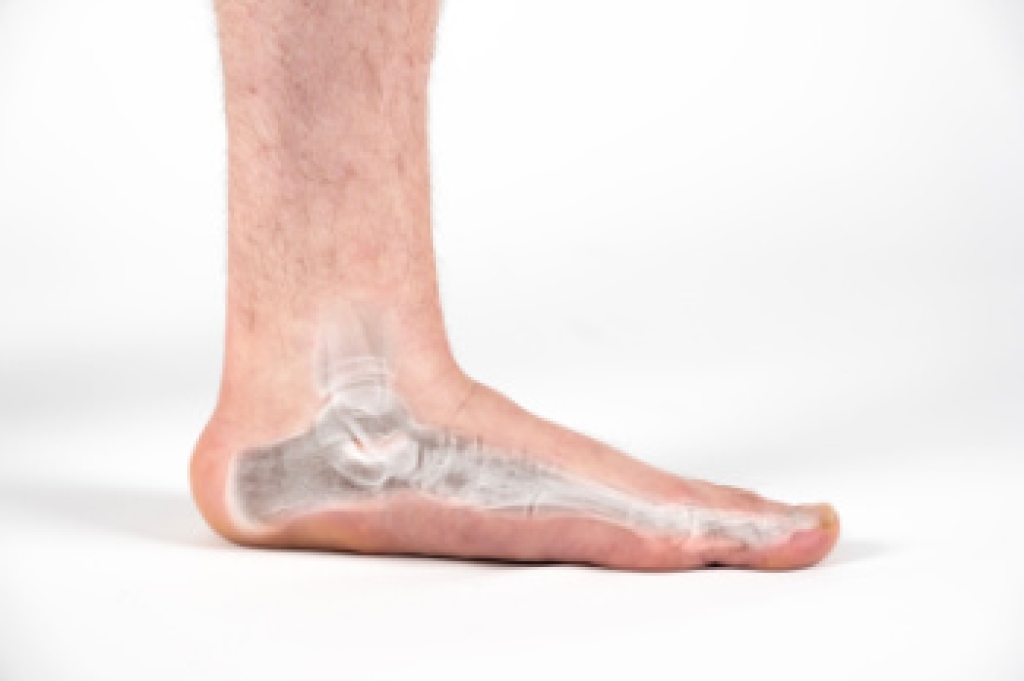
Flatfoot is a condition in which the arch of the foot is depressed and the sole of the foot is almost completely in contact with the ground. About 20-30% of the population generally has flat feet because their arches never formed during growth.

Conditions & Problems:

Having flat feet makes it difficult to run or walk because of the stress placed on the ankles.

Alignment – The general alignment of your legs can be disrupted, because the ankles move inward which can cause major discomfort.

Knees – If you have complications with your knees, flat feet can be a contributor to arthritis in that area.  

Symptoms

  • Pain around the heel or arch area
  • Trouble standing on the tip toe
  • Swelling around the inside of the ankle
  • Flat look to one or both feet
  • Having your shoes feel uneven when worn

Treatment

If you are experiencing pain and stress on the foot you may weaken the posterior tibial tendon, which runs around the inside of the ankle. 

If you have any questions, please feel free to contact our office located in Sparta, NJ . We offer the newest diagnostic and treatment technologies for all your foot care needs.
Read more about What is Flexible Flat Foot?

Heel Pain in the Morning?

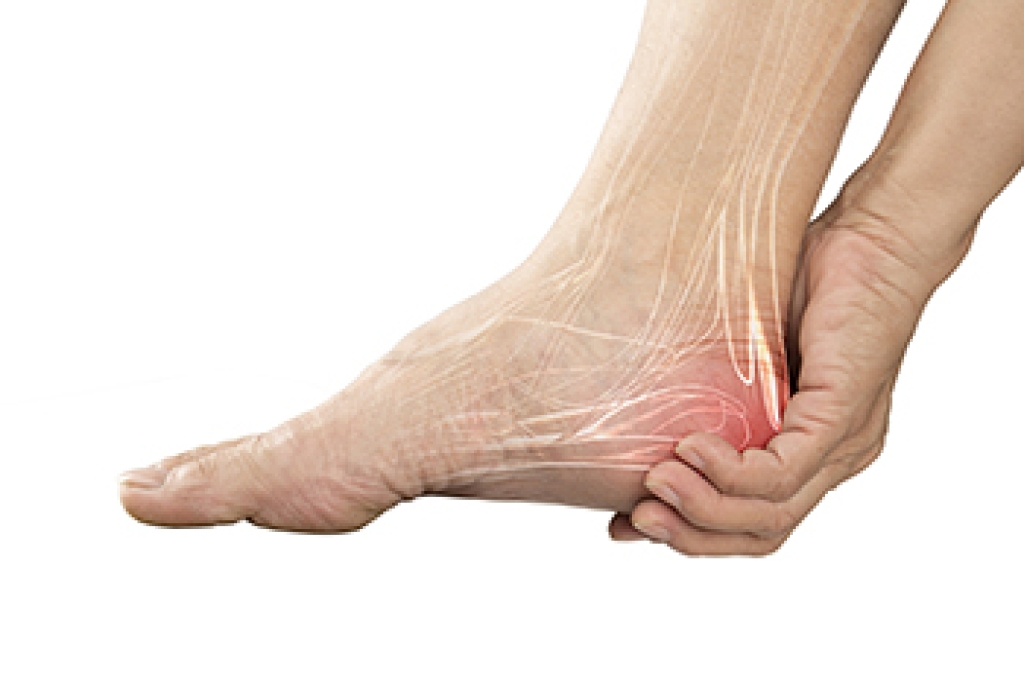
Heel pain can negatively affect your day-to-day life. Simple activities like walking can become incredibly uncomfortable or painful due to heel pain.

Don’t live with heel pain and get treated.

Causes and Common Triggers of Heel Pain

Heel pain can stem from various factors, affecting individuals of all ages and activity levels. Primarily localized to the underside or back of the heel, this discomfort can significantly impact mobility and quality of life. The causes of heel pain are multifaceted, with common culprits including plantar fasciitis, Achilles tendonitis, heel spurs, and stress fractures. Plantar fasciitis, caused by inflammation of the thick band of tissue that connects the heel to the toes, often arises from overuse, improper footwear, or biomechanical issues. Achilles tendonitis, involving inflammation of the Achilles tendon, commonly results from overuse or sudden increases in activity level. Heel spurs, bony growths on the underside of the heel bone, can develop due to repetitive stress or poor foot mechanics. Stress fractures, small cracks in the heel bone, may occur from overtraining or sudden changes in activity. If you have heel pain, it is strongly suggested that you consult a podiatrist who can determine the cause and offer you appropriate relief and treatment solutions. 

Many people suffer from bouts of heel pain. For more information, contact Philip C. Caswell, DPM of Family Foot & Ankle Care. Our doctor can provide the care you need to keep you pain-free and on your feet.

Causes of Heel Pain

Heel pain is often associated with plantar fasciitis. The plantar fascia is a band of tissues that extends along the bottom of the foot. A rip or tear in this ligament can cause inflammation of the tissue.

Achilles tendonitis is another cause of heel pain. Inflammation of the Achilles tendon will cause pain from fractures and muscle tearing. Lack of flexibility is also another symptom.

Heel spurs are another cause of pain. When the tissues of the plantar fascia undergo a great deal of stress, it can lead to ligament separation from the heel bone, causing heel spurs.

Why Might Heel Pain Occur?

  • Wearing ill-fitting shoes                
  • Wearing non-supportive shoes
  • Weight change           
  • Excessive running

Treatments

Heel pain should be treated as soon as possible for immediate results. Keeping your feet in a stress-free environment will help. If you suffer from Achilles tendonitis or plantar fasciitis, applying ice will reduce the swelling. Stretching before an exercise like running will help the muscles. Using all these tips will help make heel pain a condition of the past.

If you have any questions, please feel free to contact our office located in Sparta, NJ . We offer the newest diagnostic and treatment technologies for all your foot care needs.

Read more about Heel Pain

Brittle Toenails

Brittle toenails can lead to discomfort and even pain. They can occur due to factors such as aging, repetitive trauma, fungal infections, or nutritional deficiencies. Individuals most prone to brittle toenails are often women, older adults, athletes engaging in high-impact activities, or those with certain medical conditions like diabetes or thyroid disorders. Brittle toenails can cause pain by becoming jagged or splitting, leading to ingrown toenails or infections. A podiatrist can offer several solutions to alleviate discomfort and address the underlying causes. They may recommend proper nail care techniques, such as keeping nails trimmed and moisturized, or suggest dietary supplements to improve nail health. Treatments for underlying conditions like fungal infections or medical management for systemic issues may also be provided. Additionally, custom orthotics can offer support and alleviate pressure on the feet, promoting overall foot health and reducing discomfort associated with brittle toenails. If you suffer from brittle toenails, it is suggested that you schedule an appointment with a podiatrist for consultation and care.

Toe pain can disrupt your daily activities. If you have any concerns, contact Philip C. Caswell, DPM of Family Foot & Ankle Care. Our doctor can provide the care you need to keep you pain-free and on your feet.

What Causes Toe Pain?

Most severe toe pain is caused due to a sports injury, trauma from dropping something heavy on the toe, or bumping into something rigid. Other problems can develop over time for various reasons.

Toe pain can be caused by one or more ailments. The most common include:

  • Trauma
  • Sports injury
  • Wearing shoes that are too tight
  • Arthritis
  • Gout
  • Corns and calluses
  • Hammertoe
  • Bunions
  • Blisters
  • Ingrown toenails
  • Sprains
  • Fractures (broken bones)
  • Dislocations

When to See a Podiatrist

  • Severe pain
  • Persistent pain that lasts more than a week
  • Signs of infection
  • Continued swelling
  • Pain that prevents walking

Diagnosis

In many cases the cause of toe pain is obvious, but in others, a podiatrist may want to use more advanced methods to determine the problem. These can range from simple visual inspections and sensation tests to X-rays and MRI scans. Prior medical history, family medical history, and any recent physical traumatic events will all be taken into consideration for a proper diagnosis.

Treatment

Treatments for toe pain and injuries vary and may include shoe inserts, padding, taping, medicines, injections, and in some cases, surgery. If you believe that you have broken a toe, please see a podiatrist as soon as possible.

If you have any questions please contact our office located in Sparta, NJ . We offer the newest diagnostic and treatment technologies for all your foot and ankle needs.

Read more about Toe Pain

Connect With Us