
Gout is a painful, inflammatory form of arthritis. Those affected will typically feel an intense stiffness in the joints of their feet, particularly in the big toe. Schedule a visit to learn about how gout can be managed and treated.
Gout is a painful, inflammatory form of arthritis. Those affected will typically feel an intense stiffness in the joints of their feet, particularly in the big toe. Schedule a visit to learn about how gout can be managed and treated.
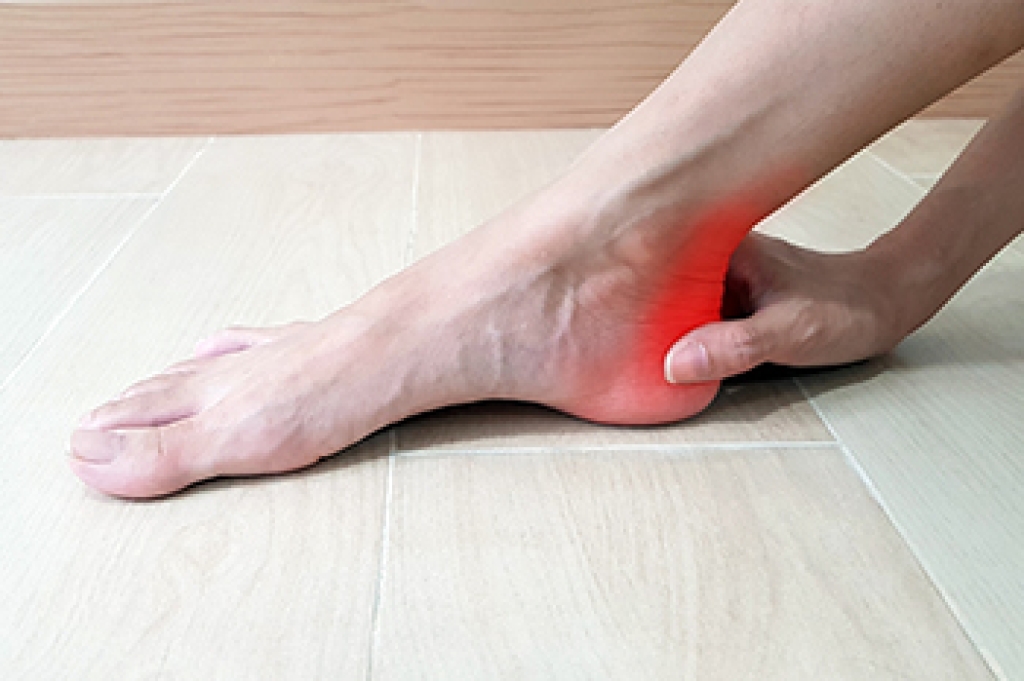
The strong band of tissue that runs from the calf muscles to the heel bone is known as the Achilles tendon. When this tendon is overused, which is frequent among runners, dancers, and other athletes, it can become inflamed and extremely painful. This condition is called Achilles tendinopathy. The top cause of Achilles tendinopathy is overuse, which tears or stretches the tendon and causes inflammation. Other causes include certain types of arthritis, flat feet, and overpronation. In addition, wearing shoes that lack adequate support, being overweight, and taking certain antibiotics may increase the likelihood of developing Achilles tendinopathy. There are a number of treatments available for Achilles tendinopathy, but healing time depends on the severity of the injury. In some cases, surgery is required. There are several ways to prevent tendinopathy, including stretching exercises and warmup and cool-down routines. Wearing proper footwear is another way to help prevent this injury. For more information, it is suggested that you consult a podiatrist.
Achilles tendon injuries need immediate attention to avoid future complications. If you have any concerns, contact Philip C. Caswell, DPM of Family Foot & Ankle Care. Our doctor can provide the care you need to keep you pain-free and on your feet.
What Is the Achilles Tendon?
The Achilles tendon is a tendon that connects the lower leg muscles and calf to the heel of the foot. It is the strongest tendon in the human body and is essential for making movement possible. Because this tendon is such an integral part of the body, any injuries to it can create immense difficulties and should immediately be presented to a doctor.
What Are the Symptoms of an Achilles Tendon Injury?
There are various types of injuries that can affect the Achilles tendon. The two most common injuries are Achilles tendinitis and ruptures of the tendon.
Achilles Tendinitis Symptoms
Rupture Symptoms
Treatment and Prevention
Achilles tendon injuries are diagnosed by a thorough physical evaluation, which can include an MRI. Treatment involves rest, physical therapy, and in some cases, surgery. However, various preventative measures can be taken to avoid these injuries, such as:
If you have any questions please feel free to contact our office located in Sparta, NJ . We offer the newest diagnostic tools and technology to treat your foot and ankle needs.
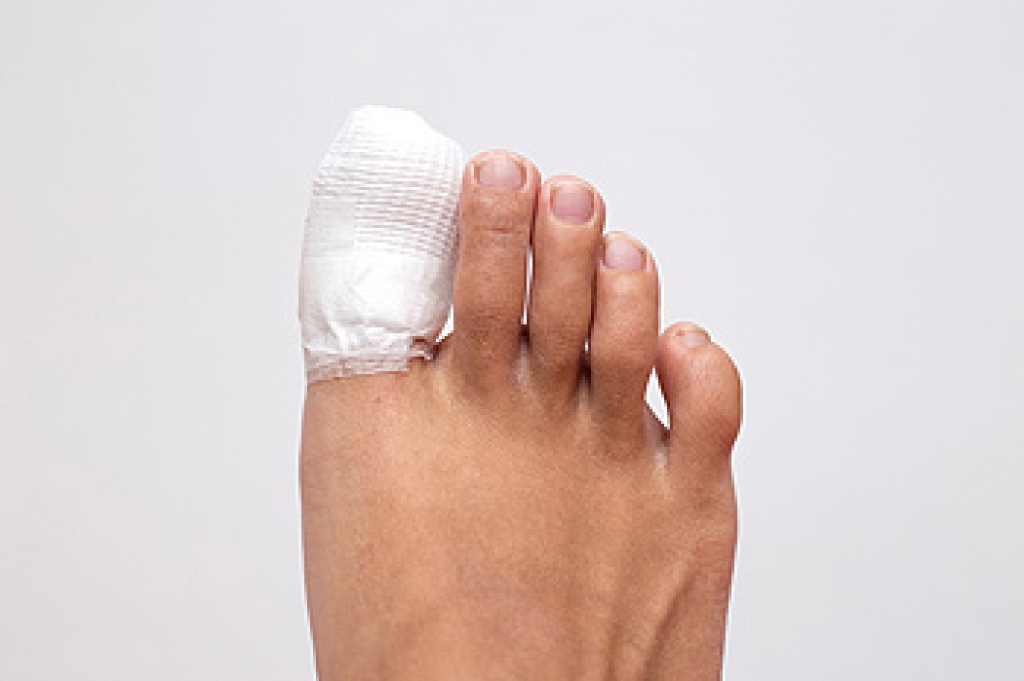
It typically takes about six weeks to heal from a broken toe, but the actual time frame depends on the severity of the fracture, the age of the person, and pre-existing medical conditions. Symptoms of a broken toe include pain, swelling, and bruising, and it can be difficult to walk. Additionally, a bone may protrude through the skin and the toe may look deformed. Treatments involve taping the broken toe to the toe next to it which provides stability, splinting the toe, or surgery may be necessary for more severe breaks. Resting and elevating the affected foot will help reduce swelling and pain. Simple treatment usually suffices in the healing of a broken toe, however, it is important to seek treatment if pain is severe or walking becomes increasingly difficult. If you have broken your toe, it is suggested that you schedule an appointment with a podiatrist for an examination and treatment recommendations.
Broken toes may cause a lot of pain and should be treated as soon as possible. If you have any concerns about your feet, contact Philip C. Caswell, DPM from Family Foot & Ankle Care. Our doctor will treat your foot and ankle needs.
What Is a Broken Toe?
A broken toe occurs when one or more of the toe bones of the foot are broken after an injury. Injuries such as stubbing your toe or dropping a heavy object on it may cause a toe fracture.
Symptoms of a Broken Toe
Although the injured toe should be monitored daily, it is especially important to have a podiatrist look at your toe if you have severe symptoms. Some of these symptoms include worsening or new pain that is not relieved with medication, sores, redness, or open wounds near the toe.
If you have any questions please feel free to contact our office located in Sparta, NJ . We offer the newest diagnostic tools and technology to treat your foot and ankle needs.
Many people are aware when they have fractured a bone. The pain is sudden and often happens from an injury. This may not be true with stress fractures, as it develops over time. A stress fracture is considered to be a hairline fracture and is caused by repetitive movements. This is a common injury among people who enjoy running, or frequently participating in jumping activities. For example, osteoporosis can weaken the bones, which can make it easier for stress fractures to happen. Additionally, wearing shoes that do not fit correctly can gradually weaken the foot bones, possibly leading to developing a stress fracture. Mild relief may be found if sporting activities are temporarily stopped, and a supportive boot or cast is worn until complete healing has taken place. This can be followed by implementing specific stretches that can help to strengthen the foot. If you have a stress fracture, it is suggested that you confer with a podiatrist who can effectively diagnose and treat this foot condition.
Stress fractures occur when there is a tiny crack within a bone. To learn more, contact Philip C. Caswell, DPM from Family Foot & Ankle Care. Our doctor can provide the care you need to keep you pain free and on your feet.
How Are They Caused?
Stress fractures are the result of repetitive force being placed on the bone. Since the lower leg and feet often carry most of the body’s weight, stress fractures are likely to occur in these areas. If you rush into a new exercise, you are more likely to develop a stress fracture since you are starting too much, too soon. Pain resulting from stress fractures may go unnoticed at first, however it may start to worsen over time.
Risk Factors
Stress fractures do not always heal properly, so it is important that you seek help from a podiatrist if you suspect you may have one. Ignoring your stress fracture may cause it to worsen, and you may develop chronic pain as well as additional fractures.
If you have any questions please contact our office located in Sparta, NJ . We offer the newest diagnostic and treatment technologies for all your foot and ankle needs.
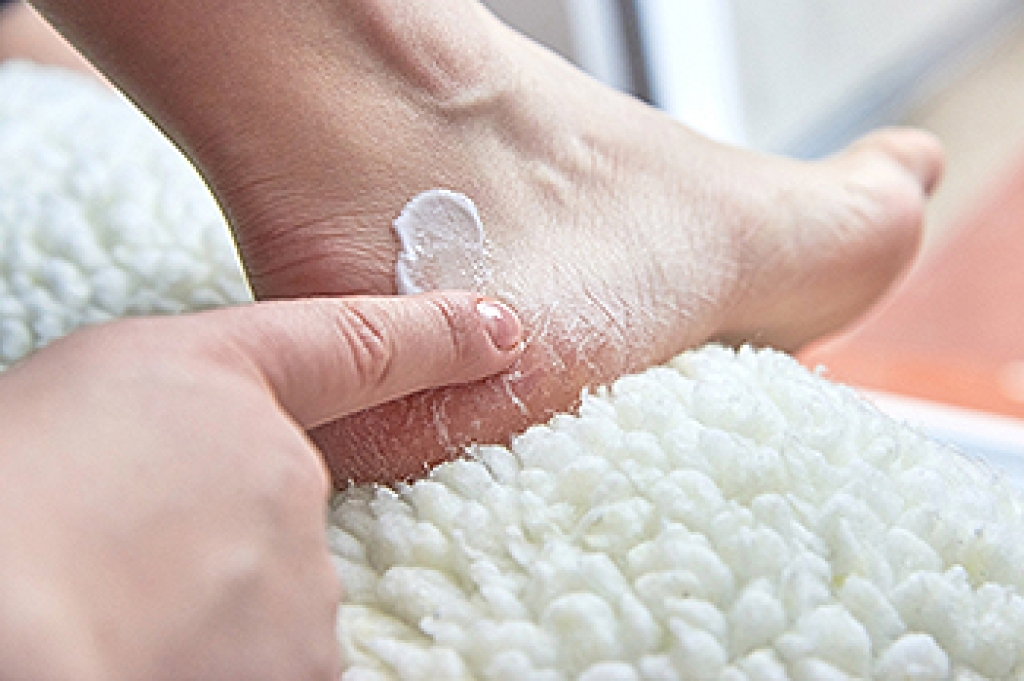
Having dry skin on the heels is common. It can lead to a foot condition that is known as cracked heels, and be quite uncomfortable. Untreated cracks in the skin can develop into fissures, which may bleed and become infected. The feet do not have oil glands, and they can dry out quicker than other parts of the body. Cracked heels can be caused by weaning shoes that have an open back, such as flip-flops or sandals. These types of shoes may put additional pressure on the heels' fat pads, and the skin may dry out. There may be existing medical conditions that can lead to developing cracked heels. These can include psoriasis, eczema, diabetes, or thyroid disorders. Mild relief may be found when the feet are frequently soaked in warm water, followed by removing any dead skin, which is referred to as exfoliating. Additionally, applying a good moisturizer may help the skin to feel soft and cause any dead skin to naturally fall off. If you have cracked heels, it is suggested that you confer with a podiatrist who can offer you additional treatment methods.
Cracked heels are unsightly and can cause further damage to your shoes and feet. If you have any concerns, contact Philip C. Caswell, DPM from Family Foot & Ankle Care. Our doctor can provide the care you need to keep you pain-free and on your feet.
Cracked Heels
Cracked heels appear unappealing and can make it harder for you walk around in sandals. Aside from looking unpleasant, cracked heels can also tear stockings, socks, and wear out your shoes. There are several methods to help restore a cracked heel and prevent further damage.
How Do You Get Them?
Dry skin is the number one culprit in creating cracked heels. Many athletes, walkers, joggers, and even swimmers suffer from cracked heels. Age and skin oil production play a role to getting cracked heels as well.
Promote Healing
Over the counter medicines can help, especially for those that need instant relief or who suffer from chronic dry feet.
Wear Socks – Wearing socks with medicated creams helps lock in moisture.
Moisturizers – Applying both day and night will help alleviate dryness which causes cracking.
Pumice Stones – These exfoliate and remove dead skin, which allows for smoother moisturizer application and better absorption into the skin.
Change in Diet
Eating healthy with a well-balanced diet will give the skin a fresh and radiant look. Your body responds to the kinds of food you ingest. Omega-3 fatty acids and zinc supplements can also revitalize skin tissue.
Most importantly, seek professional help if unsure how to proceed in treating cracked heels. A podiatrist will help you with any questions or information needed.
If you have any questions, please feel free to contact our office located in Sparta, NJ . We offer the newest diagnostic and treatment technologies for all your foot care needs.
Connect With Us
